Firm leaders within the accounting profession are facing capacity and bandwidth issues more than ever. In an era where the need for tax, accounting, and financial services significantly outweighs the supply, striking a balance between quality service and firm growth is crucial. One strategy that helps maintain this balance while fostering an efficient and profitable firm culture is client culling (also called client pruning).
The accounting profession is grappling with an unprecedented staffing crisis in the United States, as demand far exceeds its capacity. To navigate this issue, it is essential to strategically decide 'who' your firm can serve and 'how' it can do so more effectively. While not novel, the concept of client culling is an underutilized tool that successful firms like the Big Four have been leveraging for years. You can improve staff retention, aid recruitment, and secure profitability by carefully evaluating and refining your client base and services.
Strategic growth is about much more than just attracting additional business. It's about paving the way for more challenging projects and fostering a robust firm culture. Modern firms understand this. They're not just blindly expanding—they're selectively focusing their energy on targeted growth areas. One of their key strategies? Client culling. This practice allows firms to optimize talent development and retention by working with clients that truly align with their goals and capabilities—a critical factor given the current state of the profession.
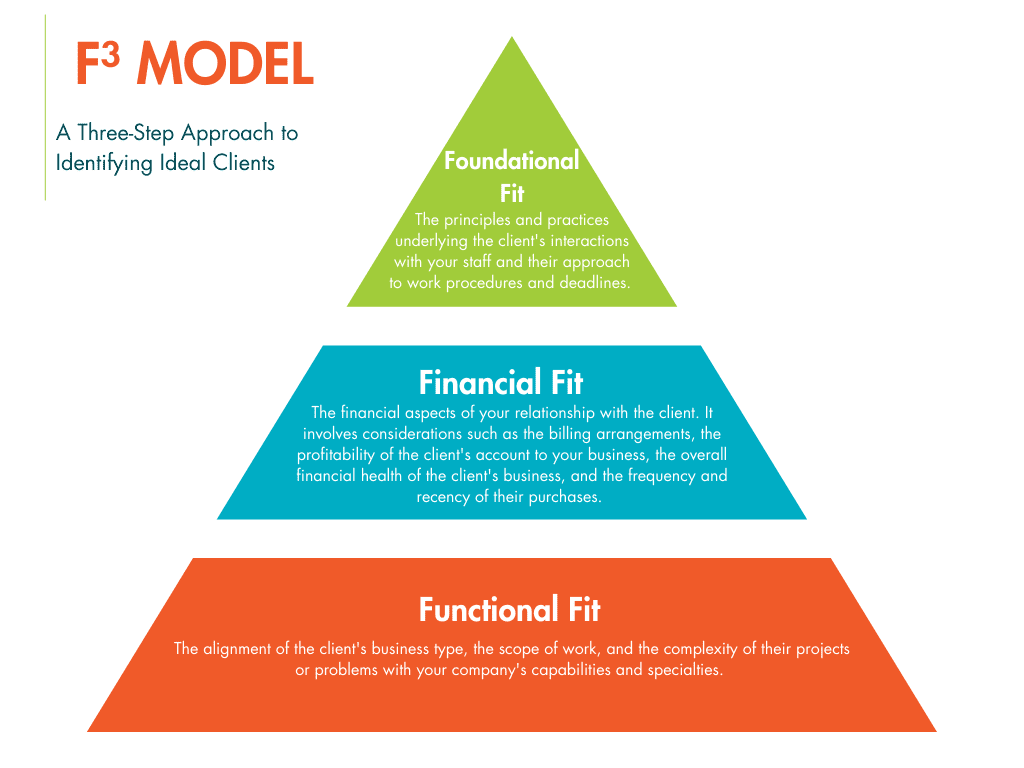
Client culling goes beyond identifying less profitable clients. It's about strategic alignment around the firm's ideal client. A comprehensive review process begins by examining unprofitable services and business lines. It then considers factors such as the level of respect from the client, the workload distribution throughout the year, and other important considerations. You'll need to question whether continuing certain client relationships or services or operating in specific niches is financially justifiable for your firm. Some engagements or clients may divert your firm's focus from more lucrative opportunities. Remember, evaluations should consider the nuances of different services, such as tax, audit, and CAAS. This annual review is not about raising fees but determining where the firm should refocus for sustainable growth and progress.
Client culling is only one aspect of a firmwide culture shift toward a more strategic approach to serving ideal clients. We must ensure that new clients will be a good fit for our services in the long run, to avoid needing to sever ties soon after beginning a working relationship. When firms start to cull clients, discussions about who makes an ideal client often arise. A robust client acceptance policy can help guide these discussions. This policy should define criteria for client acceptance, including conflict checks, risk assessment, and alignment with the firm's ideal client attributes, potential, and minimum pricing standards. Such a policy is vital for maintaining a strategic client base and minimizing future culling needs.